Helping small & medium businesses unlock their full potential through efficient innovation and innovative execution
USE-CASE SUMMARIES
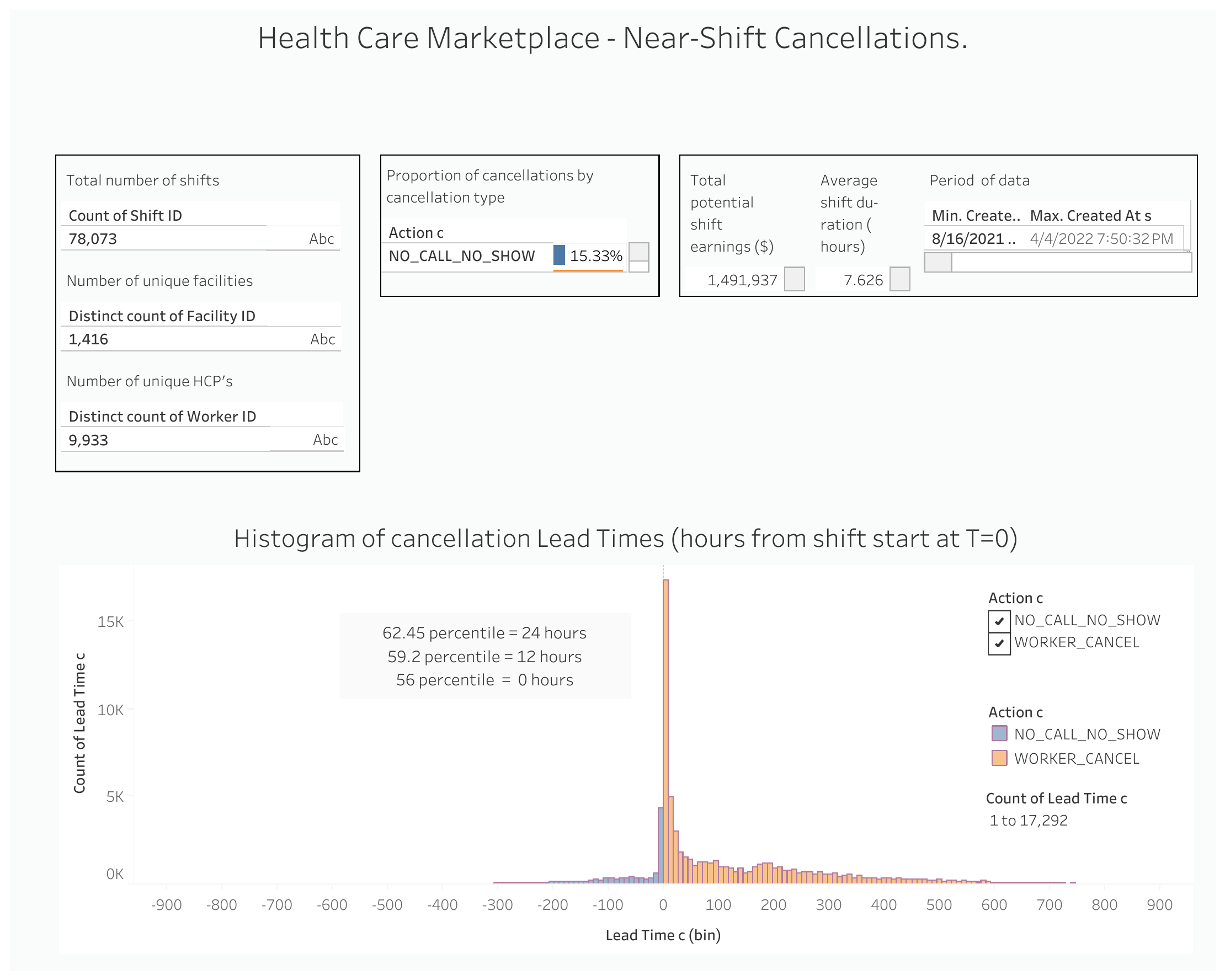
1. Health Care Marketplace - Near-Shift Cancelations.
A two-sided healthcare marketplace was facing an issue related to near-shift cancelations by health care providers (HCP's). This was a major concern for the Health Care Facilities (HCF's) that they supported. We reviewed their data and determined the presence and extent of this issue. We then made recommendations that would reduce this occurrence and potentially increase revenues at least 10%, increase customer satisfaction and retention. These recommendations were aligned closely with their current policies, and built on their current business structures and processes, thus reducing implementation resistance, training needs, and implementation time and costs. Classification models for predicting HCP's shift cancelation behaviour gave low accuracies (=< 60%). This indicated that not all predicting factors were being captured in the data.
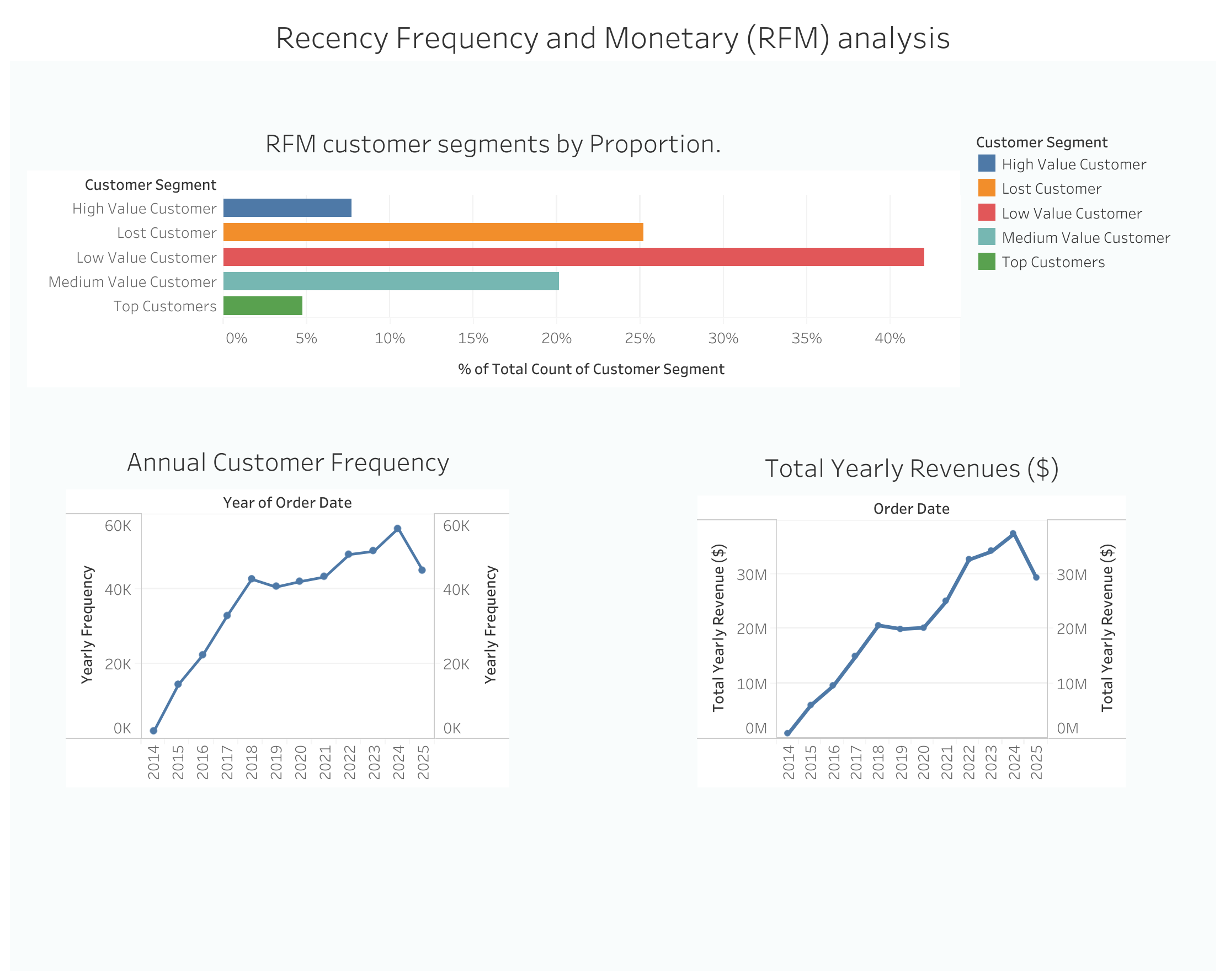
2. Recency, Frequency and Monetary (RFM) analysis.
A retail industrial-supply organization approached us to run an RFM analysis on their customer data. The RFM analysis was successfully carried out using Python, to classify and proportion customers into 5 categories based on their RFM characteristics. The client also suspected that a loss in customer frequency over time was affecting revenue growth, and wanted to investigate whether the data supported this. We found that the plot of their Yearly Customer Frequency showed a similar trend to that of their Total Yearly Revenues. Further, the correlation coefficient of Total Yearly Revenues and Yearly Customer Frequency was close to 0.96, indicating that Total Yearly Revenues was strongly corelated with Yearly Customer Frequency, supporting the clients suspicions. The insights from this study allowed the client to tailor their market strategy to focus on customers that would allow them to maximize revenues.
3. Manufacturing Process.
A medical device manufacturer approached us to analyze their manufacturing data to try to understand and isolate a possible failure mode in their device manufacturing process. The device data was characterized by several product components, manufacturing process KPIs as well as device performance KPIs. Understanding which of these many manufacturing inputs were leading to device failure was challenging. As the failure appeared to be very late in the manufacturing process, we decided to limit initial study data to that categorized by differences in major device components, the late stage manufacturing process data, and performance data for the fully fabricated devices, along with fail/no-fail data for the lots in question. We used unsupervised Machine Learning (ML) techniques like Principal Component Analysis (PCA) and Clustering to process this data and reveal a possible failure mode. This appeared to be a complex failure due to the borderline performance of three interacting processes. These observations were then verified through experiments that informed future technical strategy.
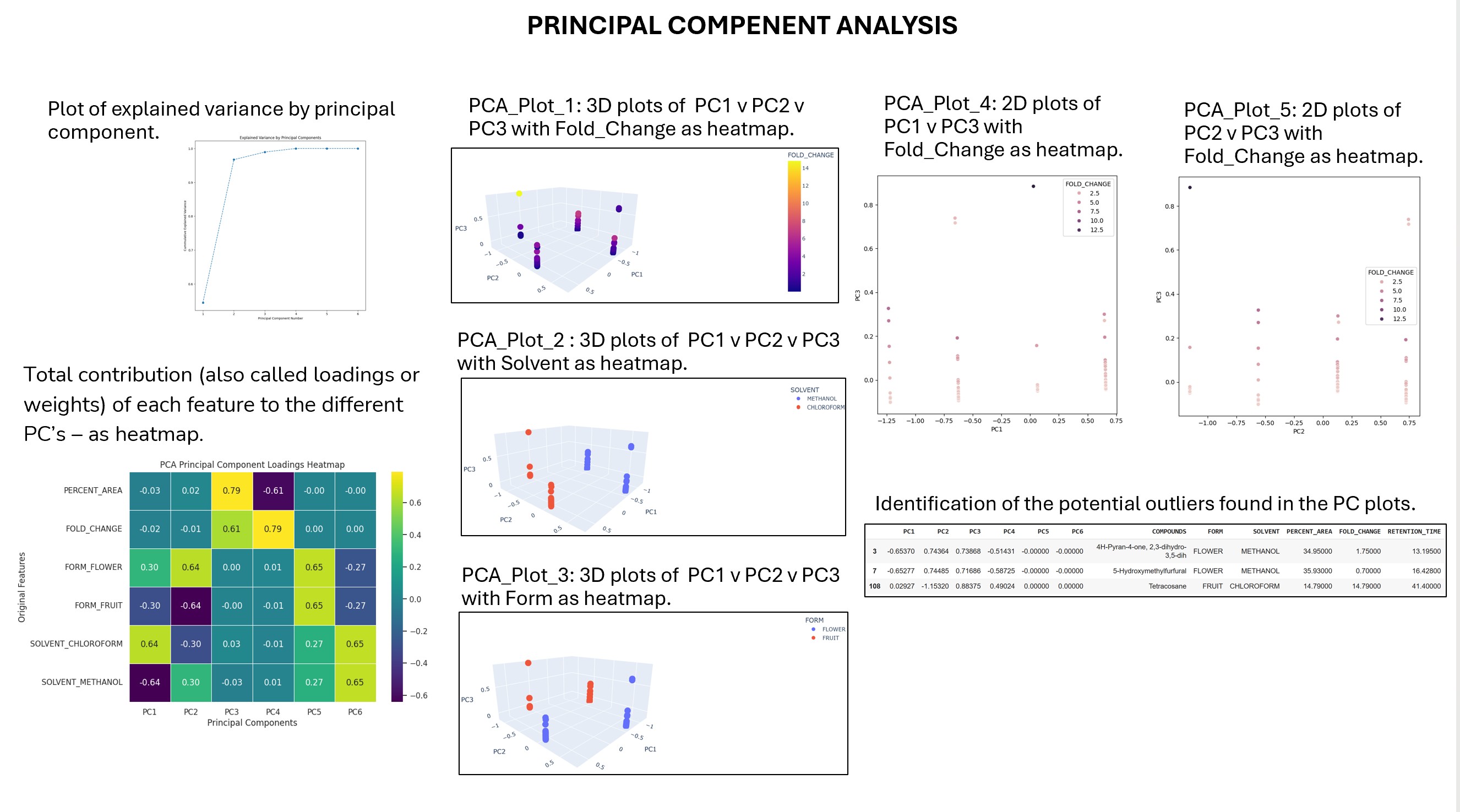
4. Analysis of scientific data.
A Ph.D. student approached us to provide a Principal Component Analysis (PCA) of their scientific research data, with a rapid turnaround. We obliged and also provided a discounted rate.
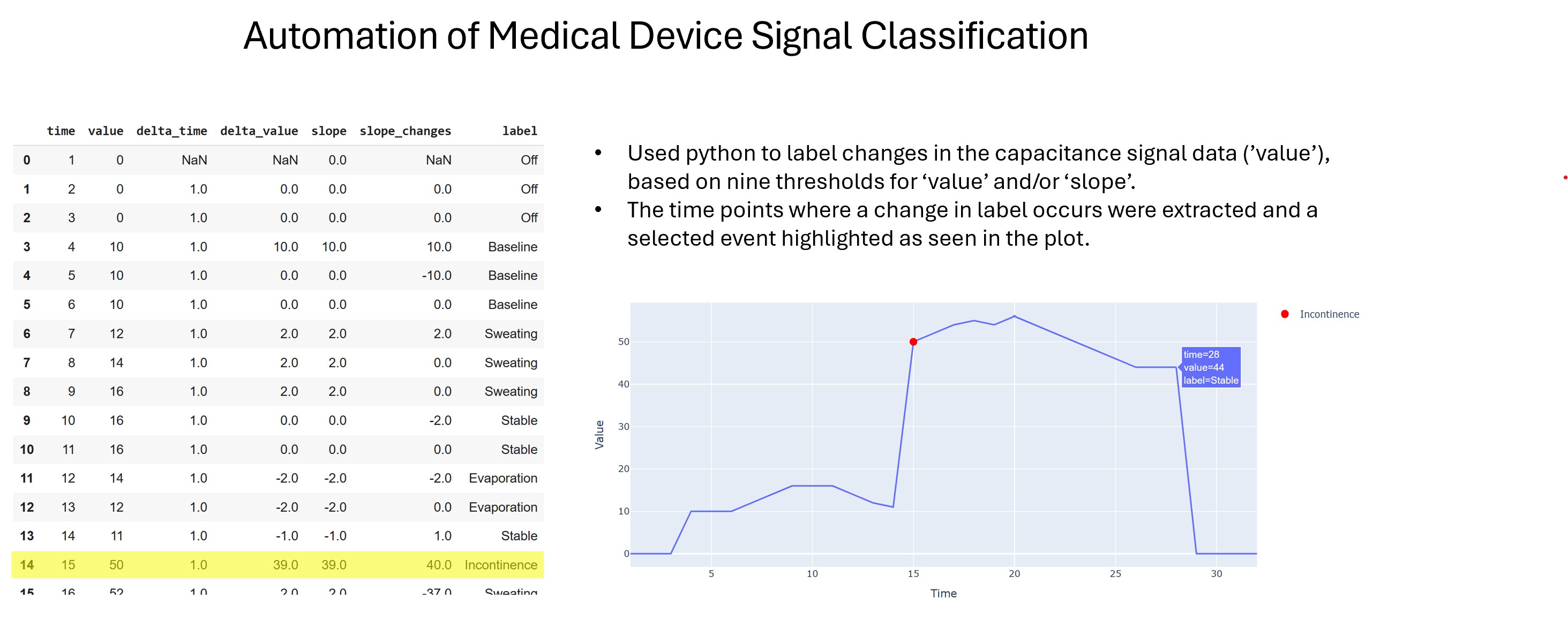
5. Medical Device - Signal Classification.
A manufacturer of medical device smart incontinence mats approached us to improve the efficiency of their processes. After a process review we recommended a rules-based automation of their signal classification process. We did this by implementing a python script. This addressed a low hanging fruit, which led to a reduction in the processing time by about 80%.
6. Stockroom Inventory - Missing Inventory.
While working on an inventory management system for a customer, including inventory receipt and use tracking, for setting up Economic Order Quantity (EOQ) and Reorder Point (ROP) models, we found that some of the received inventory was being taken out of the stockroom by users before being entered into the system. To correct this we advised the customer to change when user notifications were sent out to users about received inventory. We also recommended quarantining the receiving section of the stockroom and restricting access to users. Received inventory once entered into the system would be released for pick-up in a non-quarantined access-free area, followed by sending out a notification to the user for inventory pick-up. This process change allowed for more robust inventory tracking and forecasting.
1. Health Care Marketplace - Near Shift Cancelations.
2. Recency, Frequency and Monetary (RFM) analysis.
3. Manufacturing Process.
4. Analysis of scientific data.
5. Medical Device - Signal Classification.
6. Stockroom Inventory - Missing Inventory.
Data analyses are currently mostly run using open-source software like Python or R. MS-Excel may be used for smaller data sets for select analyses.
Please feel free to reach out with any questions on the above techniques.
If you are looking for a method that is not listed above, we will be happy to work with you on possible options.